Your cart
There are no more items in your cart
How Pickleball Started: From a Backyard Game to a Global Sport
Pickleball feels like one of the world’s newest sports sensations — and in many ways, it is. Yet its story began almost 60 years ago, not in a stadium or sports complex, but in the garden of a family home on Bainbridge Island, Washington. What started as a simple idea to entertain some bored children would eventually grow into one of the fastest-expanding racket sports in the world.
A Backyard Experiment That Became Something Bigger
In the summer of 1965, Joel Pritchard, Bill Bell, and Barney McCallum were searching for an activity the whole family could enjoy. They had a badminton court but none of the equipment, so they lowered the net, carved wooden paddles, and grabbed a perforated plastic ball.
The combination worked immediately: long rallies, predictable bounces, and instant fun.
This improvised setup became the foundation of pickleball — simple, social, and surprisingly addictive.
Where the Name “Pickleball” Really Comes From
The name has two enduring explanations. The historically supported one comes from Joel Pritchard’s wife, Joan, who said the game reminded her of a “pickle boat,” a rowing team made of leftover members — just like their leftover equipment.
The more popular myth? The family dog, Pickles, who supposedly chased after the ball.
Whichever story you prefer, the name stuck, and so did the sport.
From Homemade Rules to an Official Sport
As friends and neighbors began playing, the founders formalized the rules.
In 1967, the first permanent pickleball court was built. The now-famous Non-Volley Zone, or “kitchen,” became a defining part of the game, encouraging strategy and longer rallies.
By the mid-1970s, pickleball had:
-
a corporation to protect and promote the sport
-
a standardized rulebook
-
its first official tournament
A backyard invention had transformed into a structured and growing sport.
The Slow and Steady Rise Through Communities
Throughout the 1980s, 1990s, and early 2000s, pickleball spread through community centers, public parks, retirement communities, and school programs. People gravitated toward it because:
-
it’s easy to learn
-
it’s social and welcoming
-
rallies feel satisfying from day one
-
it’s suitable for all ages and fitness levels
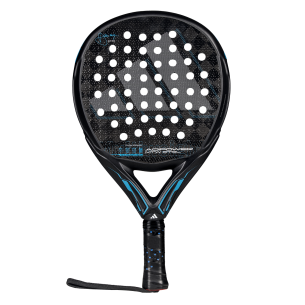
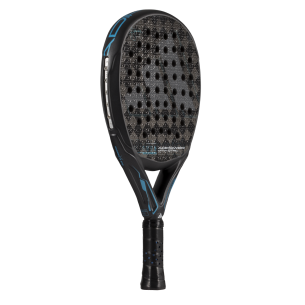
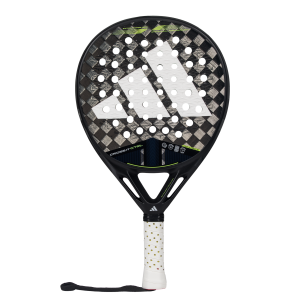
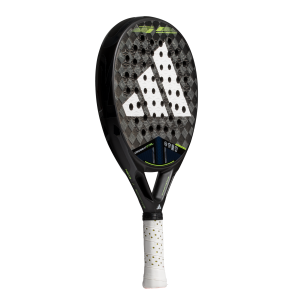
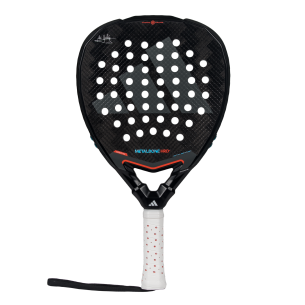
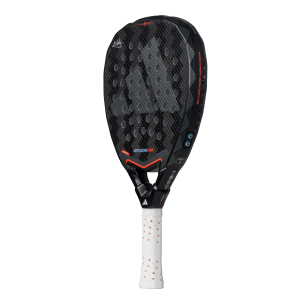
During this time, equipment evolved as well. Wooden paddles were gradually replaced by composite materials — the early steps toward today’s high-performance adidas pickleball paddles available at All Racquet Sports.
The Global Boom: Why Pickleball Exploded
The real explosion came between 2015 and 2020. Pickleball became one of the fastest-growing sports in the world thanks to a perfect mix of factors.
- The sport is incredibly accessible
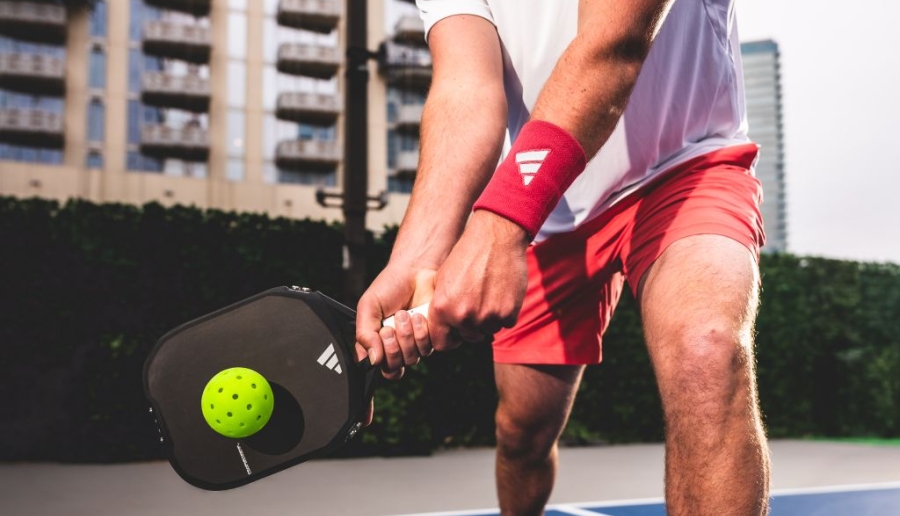
- All you need is a court, a ball, and a paddle — and modern options like the adidas pickleball paddles make it even easier to get started.
- Social media helped it go viral
- Clips of fast-paced rallies made the sport look dynamic and approachable.
- Courts were easy to introduce
- Many tennis courts were adapted for pickleball play with minimal changes.
- It is truly multigenerational
- Few sports allow children, adults, and seniors to compete together enjoyably.
- Professionalization added momentum
- Federations, leagues, and televised tournaments helped pickleball expand worldwide.
Pickleball Today: A Sport with a Worldwide Community
Now played in over 70 countries, pickleball continues to grow at an exceptional pace. New courts appear in cities, parks, sports clubs, gyms, and multi-sport facilities.
Players today benefit from:
-
advanced carbon and composite materials
-
textured faces for better control
-
optimized paddle cores for stability
-
structured training programs
-
recreational and professional competitions
For anyone looking to improve their game, the current range of adidas pickleball equipment offers performance, comfort, and reliability.
A Sport That Never Lost Its Original Spirit
Even as it expands globally, pickleball maintains the character that defined it from the beginning. It remains simple, social, and endlessly enjoyable. Rallies develop quickly, players learn fast, and the sport welcomes every level — from first-timers to competitive athletes.
From improvised wooden paddles to today’s precision-engineered carbon models, pickleball has come a long way while keeping its original charm. And as more players around the world discover it every year, the story continues to grow — just like the sport itself.